
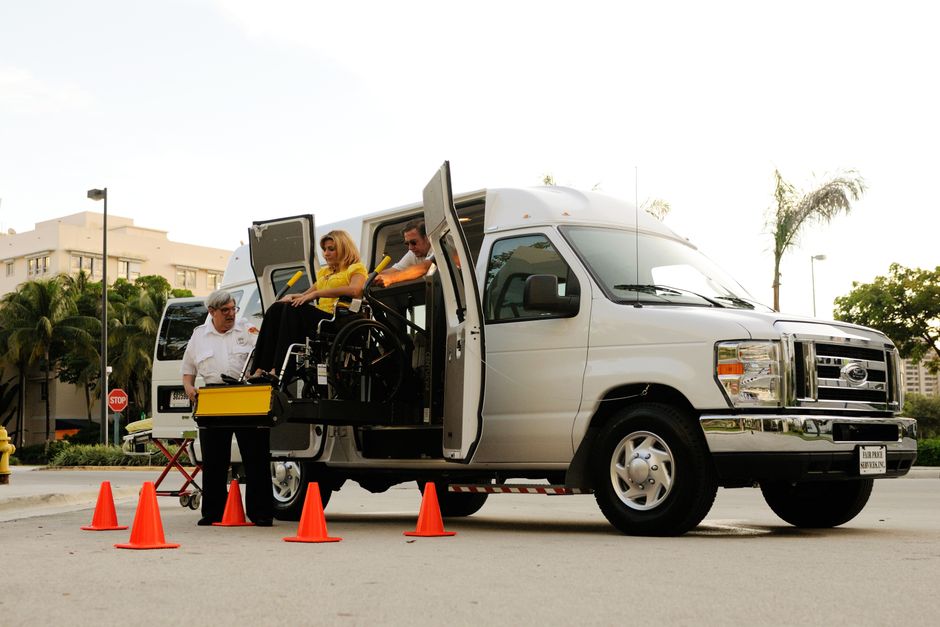
Transportation is a daily quality-of-life issue in assisted living. Reliable rides help residents attend medical appointments, shop for personal items, visit family, participate in activities, and remain connected to the community without depending entirely on relatives.
In Monroeville, transportation planning may involve an assisted living residence, family members, public transit, county programs, or a combination of options. The right arrangement depends on a resident’s mobility, health needs, appointment schedule, budget, and ability to travel independently.
What transportation does an assisted living residence usually provide?
Pennsylvania regulations require assisted living residences to provide or arrange transportation on a regular weekly basis for medical and social appointments within a reasonable local area. This does not necessarily mean that every trip is available at any time of day or that transportation is included for every destination.
A residence may offer transportation through:
- A community-owned vehicle
- A scheduled shuttle
- Staff or volunteers who drive residents
- A contracted transportation provider
- A combination of scheduled transportation and outside programs
Common destinations include medical offices, pharmacies, shopping areas, religious services, social events, and community activities. Each residence establishes its own schedule, service area, reservation process, and rules for companions.
A resident or family member should request the transportation policy in writing before assuming that a particular trip is covered.
Is assisted living transportation included in the monthly cost?
Sometimes, but not always. Transportation may be included as part of the standard service package, while some longer trips, personal errands, or special transportation needs may involve an additional charge.
Questions to ask include:
- Are routine medical and social trips included?
- Is there a distance limit?
- Are transportation fees charged per trip, by mile, or through a monthly package?
- Are family members or personal aides allowed to ride?
- Is a wheelchair-accessible vehicle available?
- Are escorts permitted or required?
- How much advance notice is needed?
- What happens if a medical appointment runs late?
These details can affect the actual cost of assisted living and should be reviewed along with the residency agreement and fee schedule.
How far in advance should a ride be scheduled?
Many assisted living transportation schedules are arranged days or weeks ahead. A residence may use fixed weekly transportation days, such as one day for medical appointments and another for shopping or group activities.
Pennsylvania requirements address reasonable pickup and drop-off efforts when a residence arranges transportation. Residents should generally receive a scheduled pickup time, and the residence should make reasonable efforts to avoid dropping someone off excessively early or leaving the resident waiting for an extended period after an appointment.
Even with these expectations, appointment times should be planned carefully. A ride may include other residents, traffic delays, loading assistance, or several stops. A short appointment may still require a broader time window.
For important medical visits, confirm:
- Pickup location
- Expected arrival window
- Return-trip procedure
- Whether the driver waits during the appointment
- Who should be called if the appointment ends early or late
What if a resident uses a wheelchair, walker, or oxygen?
A standard passenger vehicle may not meet every resident’s needs. Mobility equipment, balance problems, oxygen use, memory loss, and difficulty transferring into a vehicle can all affect transportation safety.
Before scheduling a ride, the residence should know whether the resident:
- Uses a wheelchair or mobility scooter
- Can walk independently from the building to the vehicle
- Needs help stepping up into a vehicle
- Requires a transfer aid or additional staff support
- Must keep oxygen equipment nearby
- Becomes confused or anxious in unfamiliar settings
- Needs supervision while waiting
Wheelchairs and other equipment may need to be secured during travel. A resident who can walk short distances inside the residence may still need an accessible vehicle for outdoor travel, especially during icy, snowy, or wet conditions common in western Pennsylvania.
Transportation needs should be included in the resident’s assessment and support plan. A change in mobility or health should prompt a review rather than waiting for a failed or unsafe trip.
Can residents use public or county transportation programs?
Some residents may qualify for transportation outside the residence. Allegheny County has shared-ride and paratransit options for older adults, people with disabilities, and Medical Assistance recipients. Eligibility, fares, trip purposes, service hours, and reservation requirements vary by program.
These programs are typically arranged in advance and may involve shared rides rather than direct, private transportation. A passenger may need to be ready within a pickup window and may spend more time traveling because other riders are being collected or dropped off.
A county aging-services office, a senior center, or the assisted living residence’s social services staff may help a resident understand which programs are available. Applications may require proof of age, disability, county residency, or insurance status.
Public transportation may work well for residents who can safely reach a stop, board a vehicle, follow the route, and manage the trip independently. It may be less suitable for someone who needs door-through-door assistance, supervision, or help entering a medical building.
What transportation is not designed to do?
Assisted living transportation is not the same as ambulance service or emergency medical transportation. A routine community vehicle should not be used for a medical emergency, a person who cannot safely sit upright, or someone whose condition requires clinical monitoring during travel.
Transportation may also be limited when a resident needs:
- Continuous nursing care during the trip
- A stretcher
- Two-person transfers
- Extensive behavioral supervision
- Immediate emergency treatment
- Assistance beyond what the driver or escort is trained to provide
In those situations, the resident’s healthcare team or emergency services may need to determine the safest travel method.
How can families prepare for transportation problems?
A simple written transportation plan reduces confusion. Keep a current list of:
- Medical providers and appointment locations
- Preferred pickup and return instructions
- Mobility equipment requirements
- Emergency contacts
- Medication or meal timing concerns
- Communication needs, including hearing or vision limitations
- Whether a family member will accompany the resident
Weather deserves special attention. Snow, ice, heavy rain, and early darkness can make a short outdoor distance hazardous. A residence may delay or reschedule nonessential trips during unsafe conditions, while medical appointments may require a different plan.
Families should also ask what happens when a resident misses a ride, returns late, or no longer feels able to travel independently. Transportation needs often change gradually, and a previously adequate shuttle arrangement may become unsuitable after a fall, hospitalization, or decline in memory.
What should residents ask before choosing an assisted living residence?
Transportation should be evaluated as part of daily operations, not treated as an occasional convenience. During a visit, ask to see the transportation schedule and learn how residents reserve rides.
Useful questions include:
- How many transportation days are offered each week?
- What destinations are considered local?
- Are rides available on evenings or weekends?
- Can vehicles accommodate wheelchairs?
- How are residents assisted from the building to the vehicle?
- Are drivers trained to work with older adults?
- How are cancellations and delays handled?
- Are transportation records and vehicle inspections maintained?
- Can the residence help coordinate outside transportation programs?
A residence that explains these procedures clearly is easier for residents and families to plan around. Transportation works best when expectations, limitations, accessibility needs, and backup arrangements are understood before a trip becomes urgent.
