
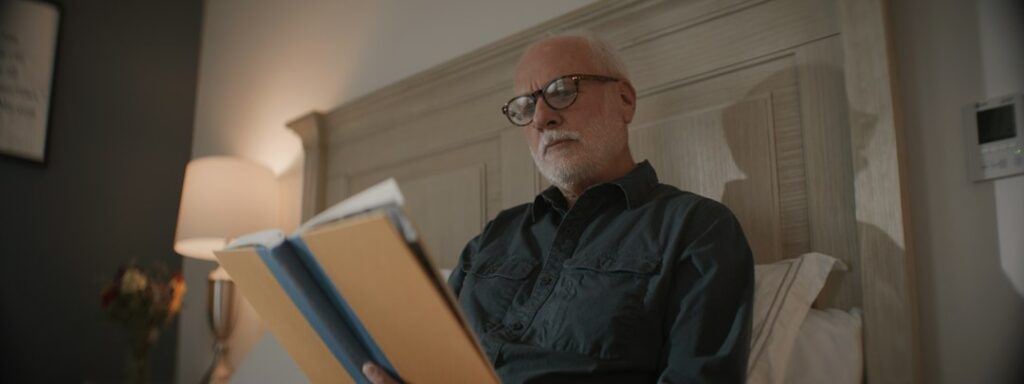
Moving into assisted living often involves more than arranging furniture. A familiar room layout, meaningful belongings, and a few practical adjustments can help an apartment feel comfortable, recognizable, and easier to manage.
For residents in Monroeville, PA, personalizing an assisted living apartment may also involve preparing for changing seasons, limited storage, mobility needs, and the routines of community living. The goal is not to recreate an entire house. It is to create a safe, familiar space that supports independence and reflects the resident’s preferences.
What should be brought into an assisted living apartment?
Bring items that provide comfort, recognition, and daily usefulness rather than trying to move everything from the previous home. Most apartments have limited space, so each item should have a clear purpose or strong personal meaning.
Useful belongings may include:
- A favorite chair with firm support
- Family photographs in lightweight frames
- A familiar lamp with an easy-to-reach switch
- A small bookcase or bedside table
- A preferred blanket, quilt, or set of pillows
- Clothing that is comfortable and easy to identify
- A clock with large numbers
- Favorite books, puzzles, music, or craft supplies
- A few familiar kitchen or dining items, if permitted
- Seasonal decorations that can be changed throughout the year
Avoid filling the apartment immediately. Start with essential items, observe how the room is used, and add belongings gradually. This approach reduces clutter and makes it easier to identify what the resident actually needs.
How can furniture be arranged for safety and comfort?
Furniture should support clear walking paths, easy transfers, and access to frequently used items. A room that looks attractive but requires tight turns or awkward reaching may create unnecessary fall risks.
Keep pathways open between the bed, bathroom, seating area, and entrance. Avoid placing cords across walking routes, and make sure rugs have nonslip backing or are removed if they slide or curl. Chairs should be stable and high enough to make sitting down and standing up manageable.
A practical arrangement often includes:
- The bed positioned so both the resident and caregivers can reach it safely
- A clear route to the bathroom
- A chair placed near a lamp and personal items
- Frequently used clothing stored between waist and shoulder height
- Mobility equipment parked where it does not block the doorway
- Emergency call equipment kept within easy reach
Furniture placement may need to change as mobility, vision, or balance changes. Personalization is an ongoing process rather than a one-time decorating project.
Which personal items help a resident feel oriented?
Items connected to familiar routines can help a resident understand where they are and what belongs in the space. This can be particularly helpful for someone experiencing memory loss or confusion.
A large photograph, a familiar quilt, or a clearly labeled drawer may provide useful visual cues. Some residents benefit from a simple sign or symbol near the apartment entrance, such as a favorite color, family photograph, or recognizable decoration. Any identifying display should respect the resident’s privacy and preferences.
A consistent arrangement can also support orientation. Keeping the television, reading chair, clothing, and personal care items in predictable locations may make daily tasks easier. Frequent rearranging can be confusing, especially for someone who relies on visual memory.
Photographs should be selected thoughtfully. Pictures that show close family members, pets, former homes, hobbies, or meaningful life events may encourage conversation and recognition. Too many photographs, however, can create visual clutter. A small rotating display is often easier to enjoy than a crowded wall.
How can an apartment reflect a resident’s personality?
Personalization does not require expensive decorations. Everyday choices can communicate the resident’s interests and history.
A former gardener may enjoy photographs of flowers, a small approved plant, or nature-themed artwork. Someone who enjoys music may prefer a radio, headphones, or a carefully organized collection of familiar recordings. A lifelong reader may want a comfortable reading corner with good lighting and a small selection of favorite books.
Other possibilities include:
- Sports memorabilia used sparingly
- Artwork made by children or grandchildren
- A display of travel souvenirs
- Framed recipes or handwritten notes
- Quilts, embroidery, or other handmade items
- A small collection related to a hobby
- Familiar scents from unscented or approved personal-care products

Decorations should remain easy to clean and should not interfere with staff access, ventilation, sprinklers, alarms, or medical equipment. Items that are fragile, irreplaceable, or difficult to secure may be better kept with family.
What should be considered for changing seasons in Monroeville?
Seasonal changes can affect comfort, clothing, lighting, and apartment organization. Winters may bring cold temperatures and reduced daylight, while warmer months can create concerns about heat, hydration, and heavier fabrics.
Keep seasonal clothing organized so that current items are easy to find. In colder weather, residents may need layers, nonslip footwear, gloves, hats, and a warm coat for outdoor activities or transportation. During warmer months, lightweight clothing and breathable bedding may be more comfortable.
Daylight can be limited during winter. Good lighting near the bed, bathroom route, closet, and favorite chair can help residents see obstacles more clearly. Night-lights may be useful, but they should not create glare or electrical cords across the floor.
Seasonal decorations should be stable, lightweight, and easy to remove. Avoid open flames, loose electrical wiring, or decorations that shed small pieces. Some assisted living communities have specific rules about candles, appliances, wall attachments, and plants, so those requirements should be checked before moving items in.
How can technology be used without making the space confusing?
Technology can be helpful when it supports familiar routines. A simple digital clock, easy-to-use television remote, voice-controlled device, or family photo display may provide comfort and connection.
The best technology is usually the technology the resident already understands. Complicated devices can create frustration, especially if buttons are small or settings change easily. Labeling a remote control with simple instructions may help.
Keep chargers organized and cords secured along walls or behind furniture. Devices should not block call systems, exits, or walking paths. If a resident has hearing or vision changes, sound levels, screen size, contrast, and lighting may need adjustment.
What should families do with items that do not fit?
Not everything needs to be moved into the apartment. Important belongings can be divided into three groups: items for daily use, items for occasional display, and items to store with family.
Before moving day, measure large furniture and check the apartment’s layout. Create a simple inventory of valuable or sentimental items, including photographs of them. This can help prevent confusion if belongings are moved during room changes, cleaning, or care transitions.
Labeling clothing and other portable items is also practical. Name labels can reduce mix-ups in shared laundry systems and make it easier to identify personal belongings.
The apartment should remain adaptable. As care needs change, some furniture or decorations may need to be removed, repositioned, or replaced with safer alternatives. Those changes do not erase the resident’s identity; they help the living space continue to serve the resident well.
How can residents maintain privacy and independence?
Personalization should reflect the resident’s choices whenever possible. Ask before moving belongings, changing decorations, or removing familiar objects. Even well-intended changes can feel disruptive when they happen without explanation.
A resident may prefer a quiet seating area, a visible family calendar, a closed storage cabinet, or a specific place for personal-care items. These preferences can be written down and shared with family members and caregivers.
The most successful apartment arrangements balance comfort, safety, identity, and flexibility. A familiar chair, a clear pathway, meaningful photographs, and dependable lighting may do more for daily well-being than a room filled with decorations.
